
Training & Fitness
The Grind
Being a college hockey player isn't just about what happens on the ice. The real work happens before anyone's watching — in the gym at 6am, on the ice in the middle of summer when nobody has to be there, and in the little decisions you make every day around sleep, food, and recovery. For me, training isn't a chore. It's what I look forward to.
☀️ Summer Mode
Off-season = maximum work
🏒 In-Season Mode
Maintain, recover, compete
How I Train
My training is built around becoming a better hockey player — not just a better athlete in a vacuum. Every workout, every skate, every conditioning session has a purpose.
Strength & Power
Heavy compound lifts and explosive movements — squats, deadlifts, cleans, jumps. The goal is to be strong and fast, not just big.
Conditioning
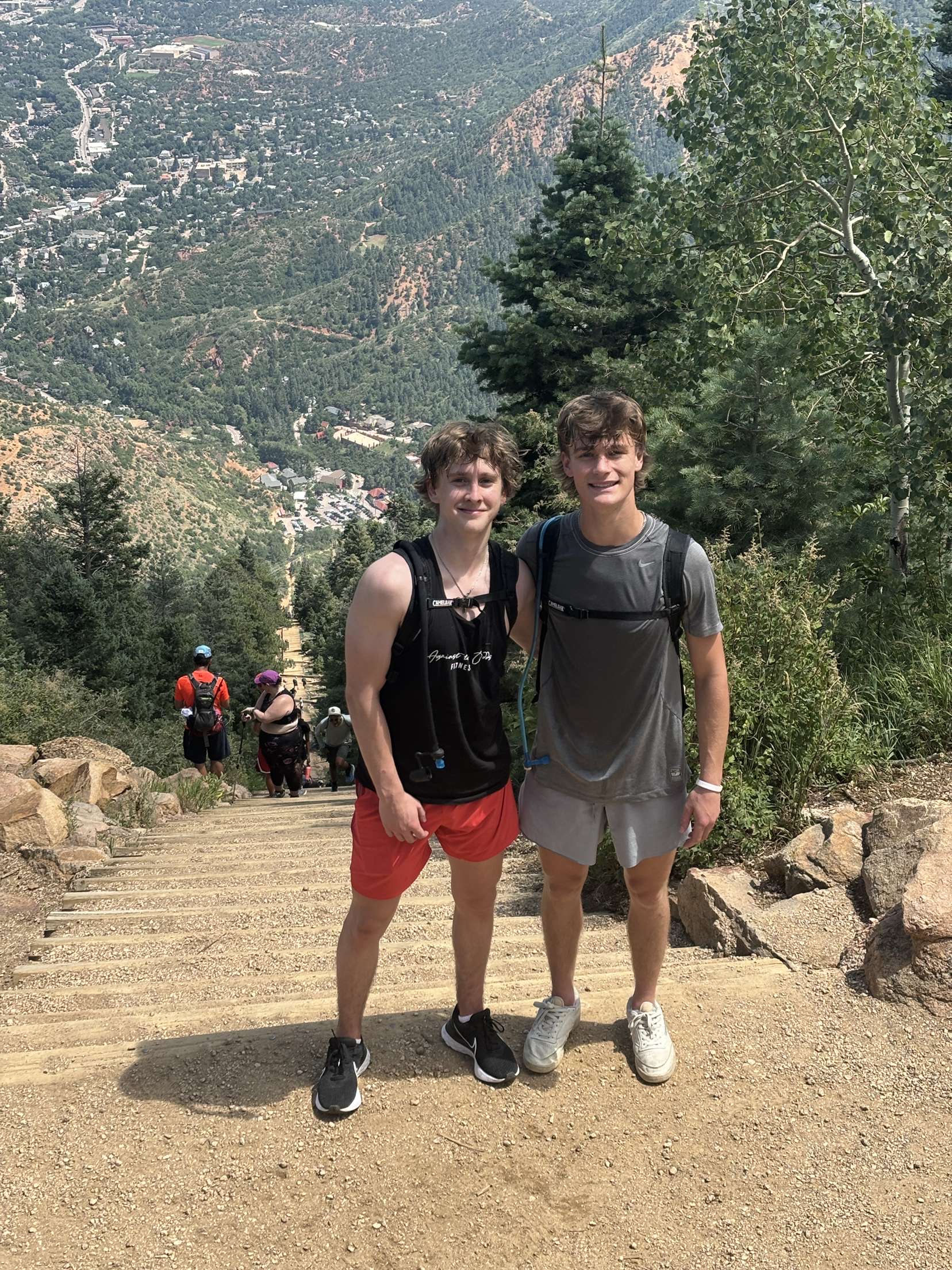
Sprints, bike, rowing machine, and outdoor challenges like the Manitou Incline. Hockey is a game of short bursts — your conditioning needs to match that.
On-Ice Skills
Even in the off-season I'm on the ice. Edges, shooting, stickhandling, positioning — the details that make the difference at the college level.
Mental Edge
Showing up when you don't feel like it. Pushing through the hard sets. The mental side of training is just as important as the physical.
On-Ice Training
These clips are from my summer skates working with my skills coach. Every rep on the ice in the off-season pays dividends when the season starts.
My Coach
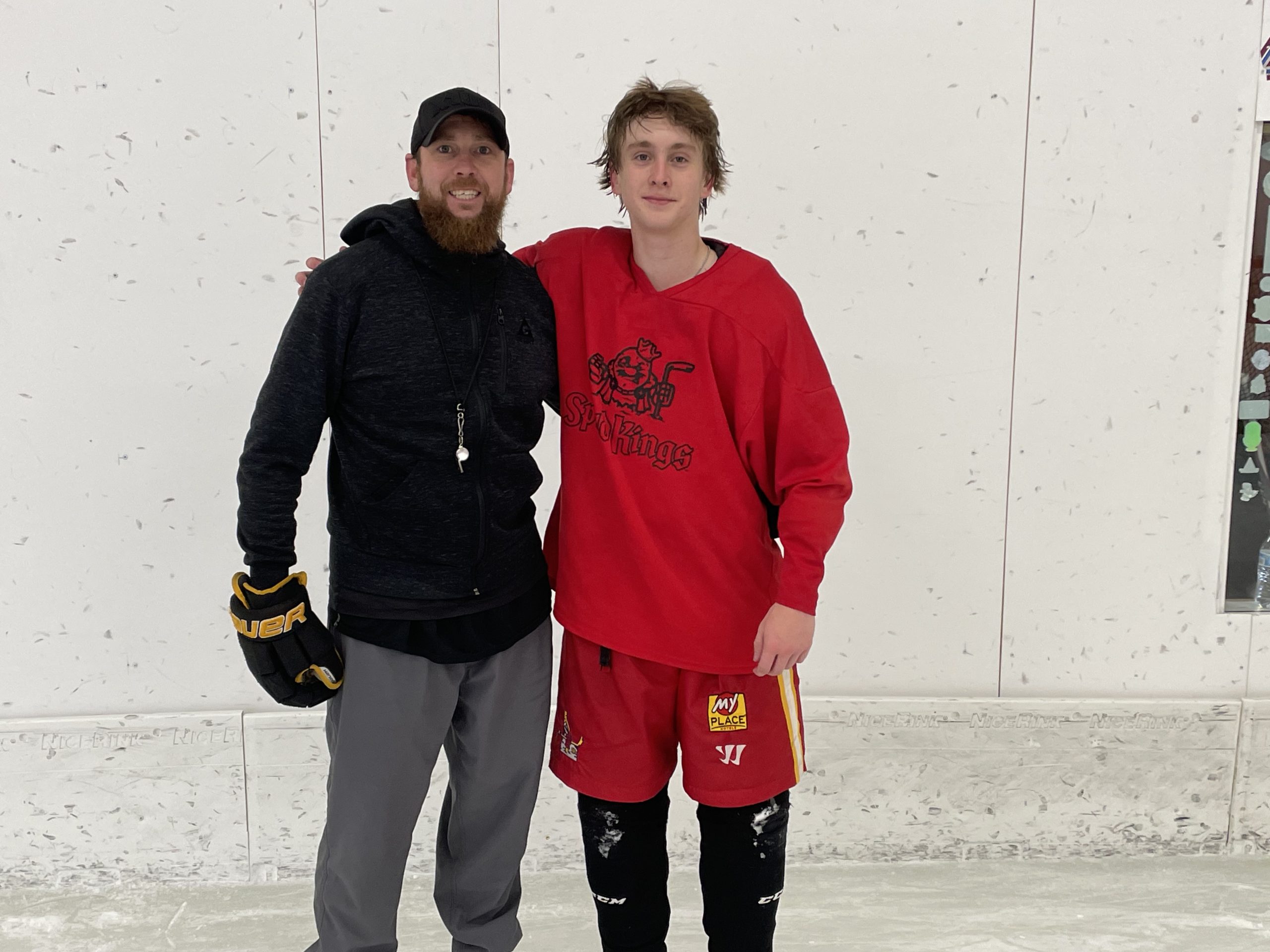
Joey Carrell
Joey has been a huge part of my development as a player. Every summer we get on the ice together and work on the details — the stuff that doesn't always show up in a stat sheet but makes a real difference in how you play. He pushes me to be sharper, smarter, and more consistent every single session.
Having a dedicated skills coach in the off-season is something I take seriously. It's one of the reasons I feel confident heading into each new season — I know the work has been done.
The Manitou Incline
2,744 Steps. No Shortcuts.
The Manitou Incline in Colorado Springs is one of the hardest outdoor conditioning challenges out there — nearly a mile of railroad ties going almost straight up a mountain. I do it regularly in the summers as part of my off-ice conditioning.
When your legs are burning halfway up and you want to stop — that's where the mental work happens. That's the part that carries over to the third period of a tight game.
Recovery & Maintenance
Training hard is only half the equation. How you recover determines how much of that work actually sticks. During the season especially, recovery isn't optional — it's part of the job.
Hot Tub
After hard sessions, the hot tub is one of my go-to recovery tools. It helps loosen up the muscles and wind down after long days of training.
Stretching & Mobility
Keeping my hips, groin, and legs loose is critical as a hockey player. Mobility work keeps me on the ice and out of the trainer's room.
Sleep
The most underrated recovery tool. During the season, getting quality sleep is non-negotiable — it's when your body actually repairs and adapts.
Nutrition
Fueling right before and after games and practices makes a real difference in how you feel and perform. Eating well is part of training.